
Navigating Menopause & Endometriosis in the Regions – Complete.
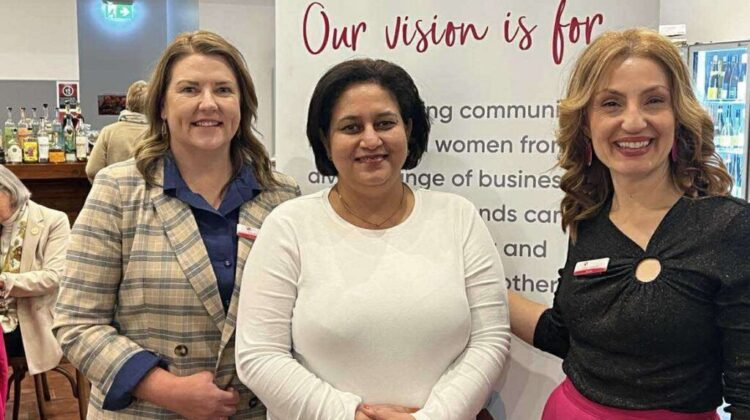
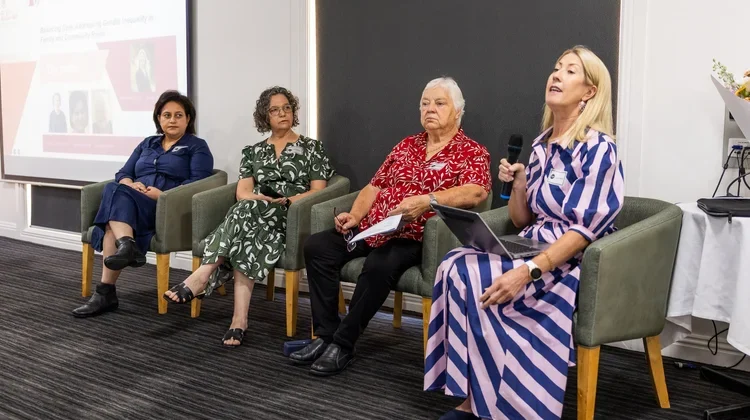

This project successfully delivered vital menopause and endometriosis workshops to increase awareness and understanding of symptoms, treatments, and psychosocial strategies. Through psychoeducation and peer-sharing, we normalise women’s health issues. Society often misunderstands or dismisses these issues, especially in regional or rural areas.
The program successfully targeted women aged 30–60 in the regional community of Wagga Wagga. By combining expert clinical input, shared lived experiences, and tangible resources, we created an innovative and culturally responsive model.
As a primary outcome, the project provided practical self-management tools and resource kits to women. It also facilitated peer connection and reduced stigma through shared storytelling and lived experiences. In 2026, the project officially delivered two half-day menopause and endometriosis workshops. We designed these sessions specifically for women in rural NSW locations.
Why Regional Menopause and Endometriosis Workshops Matters
Living in regional and rural locations like Wagga Wagga often introduces unique barriers to accessing specialised women’s health education. General practitioners are frequently heavily booked, and travelling to major metropolitan hubs for specialised care or support groups isn’t always feasible.
Consequently, women often navigate complex hormonal changes and chronic pain in isolation. These dedicated regional sessions bridged that gap by bringing clinical expertise directly to the grassroots level. By validating the unique challenges faced by rural women, we fostered an environment where participants felt heard, understood, and proactively supported.
Addressing the Unique Challenges of Endometriosis in Rural NSW
Endometriosis can take years to formally diagnose, and managing the associated chronic symptoms requires consistent, evidence-based strategies. Our community sessions provided a dedicated space to break down complex medical terminology into clear, actionable steps. Participants learned about modern management pathways, lifestyle adaptations, and how to effectively self-advocate during medical appointments.
Navigating the Menopause Transition with Confidence
Menopause is a natural biological phase, yet the psychological and physical symptoms are frequently internalised as personal struggles. Our interactive format removed the taboo surrounding midlife health. We discussed everything from vasomotor symptoms to sleep disturbances and emotional health, equipping women with the peer support and clinical insights needed to navigate this transition with absolute confidence.
🌟 Our Core Objectives & Outcomes
The primary goal of this project is to increase vital awareness while reducing the social stigma surrounding menopause and endometriosis. To achieve this, our upcoming half-day sessions will focus on:
- Symptom & Treatment Education: Gaining a deeper understanding of medical symptoms, treatments, and evidence-based psychosocial strategies.
- Practical Self-Management: Providing practical self-management tools and comprehensive resource kits directly to participants.
- Peer Connection: Actively facilitating meaningful peer connection and support through shared storytelling.
What Was Delivered at the Community Sessions
Each half-day event was structured to balance professional clinical guidance with open, supportive community discussion. Attendees received a curated resource kit containing evidence-based reference materials, self-care items, and local health directory contacts.
The sessions were completely free to attend, offering a welcoming, confidential, and safe space for women of all backgrounds to connect over shared experiences and modern self-management techniques.
Proudly Supporting Wagga Wagga Women
Women in Business (WIB), Wagga Wagga proudly funds this project, with generous support from the Wagga Women’s Health Centre. Ultimately, by working closely with our local partners, we built healthier, more informed, and deeply connected regional communities.